
About us
MISSION’s team of photonics engineers, healthcare clinicians and oceanographers are leading an ambitious project to develop the next generation of photonics technology that will enable rapid diagnostic medical screening and environmental monitoring.
Silicon photonics has transformed data communications technology thanks to its low cost and high performance. This project will aim to bring the benefits of this technology to a range of new applications that could be manufactured at a mass scale to solve societal challenges and transform peoples’ lives. Currently silicon photonics applications operate in the near-infrared wavelength range (1.2 μm – 1.6 μm). Key to this project will be the development of chip-scale sensors in the mid-infrared wavelengths (3-15μm); this is known as the “fingerprint region” as it enables sensors to spot unique identifiers in biological and chemical molecules.
Our process
The team will produce novel fundamental components, such as Mid Infrared (MIR) waveguide technology (Southampton, York), light sources (Sheffield), detectors (York, Southampton), as well implementing the key optical sensing technologies on-chip (NOC, York, Southampton), and packaging and electronic read-out (NOC). Led by the clinical (Southampton Hospital) and environmental experts (NOC), and after consultation with key end users of the technology – including the NHS and industry partners – the team will focus on three key research demonstrators:

Liquid biopsy for faster cancer detection
Biopsies often require tissue samples to be sent away for costly laboratory analysis. The vision for the project is the development ubiquitous sensors to detect the proteins that indicate certain forms of cancers via patients’ blood. without the need for hospital stays.

Monitoring of therapeutic drug levels
Deployment of low cost sensing devices in homes or in GP surgeries to measure the concentration of certain drugs would lead to better treatment and outcomes for patients, and reduce outpatient appointments in NHS hospitals.

Measuring greenhouse gas emissions from the oceans
Currently, monitoring of gas (such as carbon dioxide) exchange between the atmosphere and the oceans requires large fragile systems on ships with high carbon footprints. Wide deployment of miniaturised sensing technology will transform measurement of the impact of climate change mitigation strategies.
Our Team

Prof. Graham Reed
Principal Investigator
About Graham
Professor Graham Reed, Head of the Silicon Photonics Research Group at the University of Southampton and Principal Investigator for the project.
Prof Reed is a pioneer in the field of Silicon Photonics worldwide. He founded the Silicon Photonics group in 1989 at the University of Surrey. In 2012 Prof Reed brought his team to the University of Southampton, as Deputy Director of the Optoelectronics Research Centre (ORC). Prof Reed’s Group have provided a series of world leading results since its inception, and are particularly well known for their work on silicon optical modulators. They were the first to publish the design of a depletion mode silicon modulator, which is now the industry standard device, and they currently hold the world record for the fastest integrated Mach-Zehnder transmitter (112Gb/s OOK, 224 Gb/s PAM 4). Reed currently leads several other EPSRC funded grants, such as a Prosperity Partnership grant with Rockley Photonics, as well as the CORNERSTONE 2 and 2.5 projects and a communications project entitled “Towards a Revolution in Optical communications”.
Prof Reed is currently a member of 6 international conference committees, including serving as co-chair of the Silicon Photonics symposium at the SPIE Photonics West conference. He is a Fellow of the Royal Academy of Engineering, the SPIE, the IET, Optica and the European Optical Society (EOS). In 2013 he was awarded the IET Crompton medal for achievement in energy, a Royal Society merit award in 2014, the Individual Contributor (to silicon photonics) PIC award in 2019, and the SPIE Gold Medal in 2023.
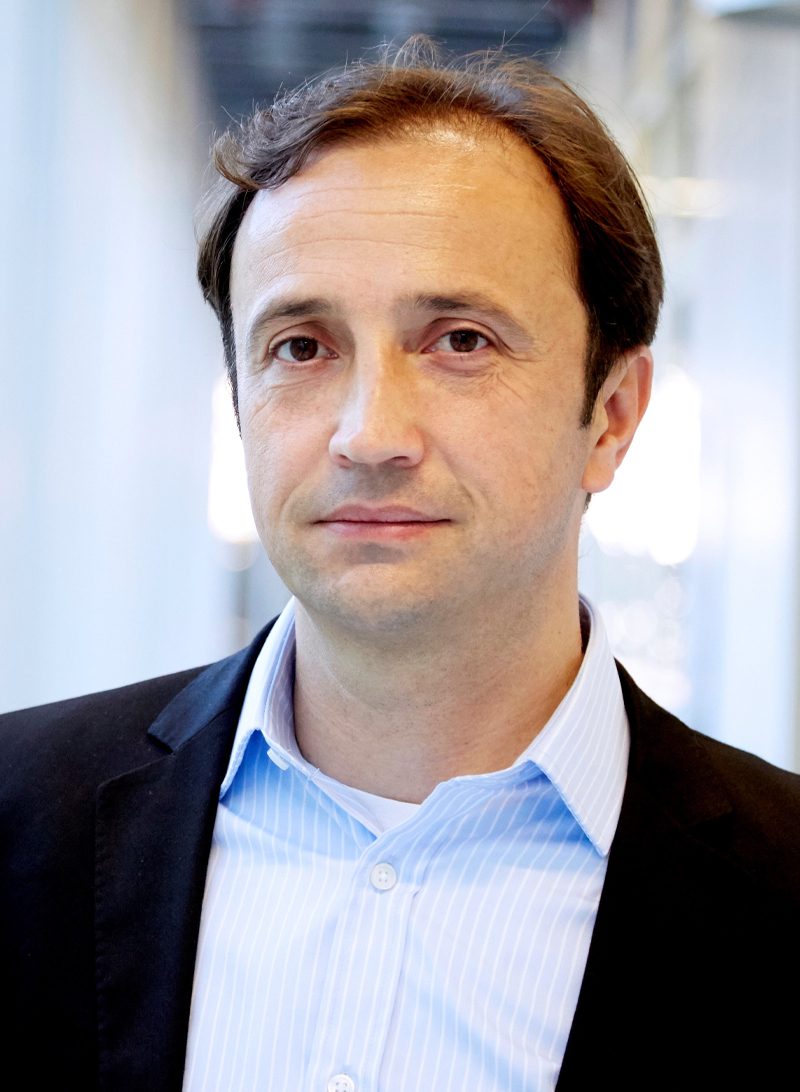
Prof. Goran Mashanovich
Co-Investigator
About Goran
Professor Goran Mashanovich received Dipl. Ing and MSc degrees from the University of Belgrade, Serbia and PhD in Silicon Photonics from the University of Surrey, UK. In 2008, he was awarded a Royal Society Research Fellowship to work in a new research field in the UK, that of Mid-Infrared Silicon Photonics. He joined the Optoelectronics Research Centre at the University of Southampton in 2012 where he heads the Mid-IR Silicon Photonics Group. His research interests include silicon and germanium photonic circuits, sensors, transceivers, integration and packaging. He is author of 450 publications. Prof. Mashanovich has been investigator on projects worth ~£40 million (~£4m as Principal Investigator). He is Fellow of Optica, a member of several international conference programme committees and also a visiting professor at the University of Belgrade. Goran is very interested in innovative teaching and he has received several teaching awards.

Prof. Senthil Murugan Ganapathy
Co-Investigator
About Senthil
Professor Senthil Murugan Ganapathy, Head of the Integrated Photonic Devices Group at the University of Southampton and Co-Investigator of the project.
Prof Ganapathy’s research is on “Photonics for Healthcare”. His expertise and research interests range from photonic materials to photonic systems with current focus on Mid-IR/high-contrast materials and devices for rapid biomedical sensing, on-chip spectroscopy, on-chip nanoscopy, environmental monitoring and optical communication applications. He has made pioneering contributions in the field of novel optical microresonators. He is Principal Investigator of a £1M EPSRC Healthcare Technologies grant developing rapid bedside diagnostic tool for the diagnosis of neonatal Respiratory Distress Syndrome in prematurely born infants for which there is no diagnostic approach currently available to produce results within clinically relevant timescale.
He has published more than 250 journal and conference papers (h-index: 35) including more than 30 invited talks at major international conferences, 2 patents on new photonic glasses and editor of a book: “Photonic Glasses and Glass-Ceramics”. He is recipient of the Dean’s Award for 2012/2013 for “Outstanding Contributions in Teaching” for MSc (Photonic Technologies) teaching at the University of Southampton. He served as Programme Chair of the “Young Scientists Forum” in the international conference ICOOPMA-14 held in Leeds, UK. He is also in the International Advisory Committee of the biennial International Conference ICOOPMA. He is Editor of Journal of Materials Science: Materials in Electronics published by Springer-Nature. He is Fellow of The Higher Education Academy of the UK and an Adjunct Professor at the Indian Institute of Technology – Madras, Chennai, India.

Prof. Thomas Krauss
Co-Investigator
About Thomas
Professor Thomas Krauss, Head of the Photonics Group at the University of York and co-investigator of the project.
Prof Krauss achieved his first degree (“Diplom-Ingenieur”) in Cologne, Germany, in 1989 followed by a PhD in Electrical Engineering at Glasgow, UK 1992. He initiated the work on photonic crystals in 1993, spent a year at Caltech, Pasadena, CA in 1997 and became Professor of Physics at St Andrews, UK in 2000. He initiated the field of planar photonic crystals (Nature, 1996), that underpins many research areas such as quantum technologies, nanoscale imaging & sensing, optical interconnects and light emitting diodes. He moved to the University of York, UK in 2012 to focus on light-matter interaction with biological systems.
He has led two EU projects and numerous EPSRC projects, most notably 2 Healthcare Impact Partnerships, i.e. “MAPS” 2017-2020 and “IDX” 2021-2024. He is a Fellow of the Royal Society of Edinburgh, the Institute of Physics and Optica and he was awarded the IoP Thomas Young medal in 2022. He was one of the founding editors of Optica’s flagship journal “Optica” in 2014 and became its Deputy Editor in 2020.
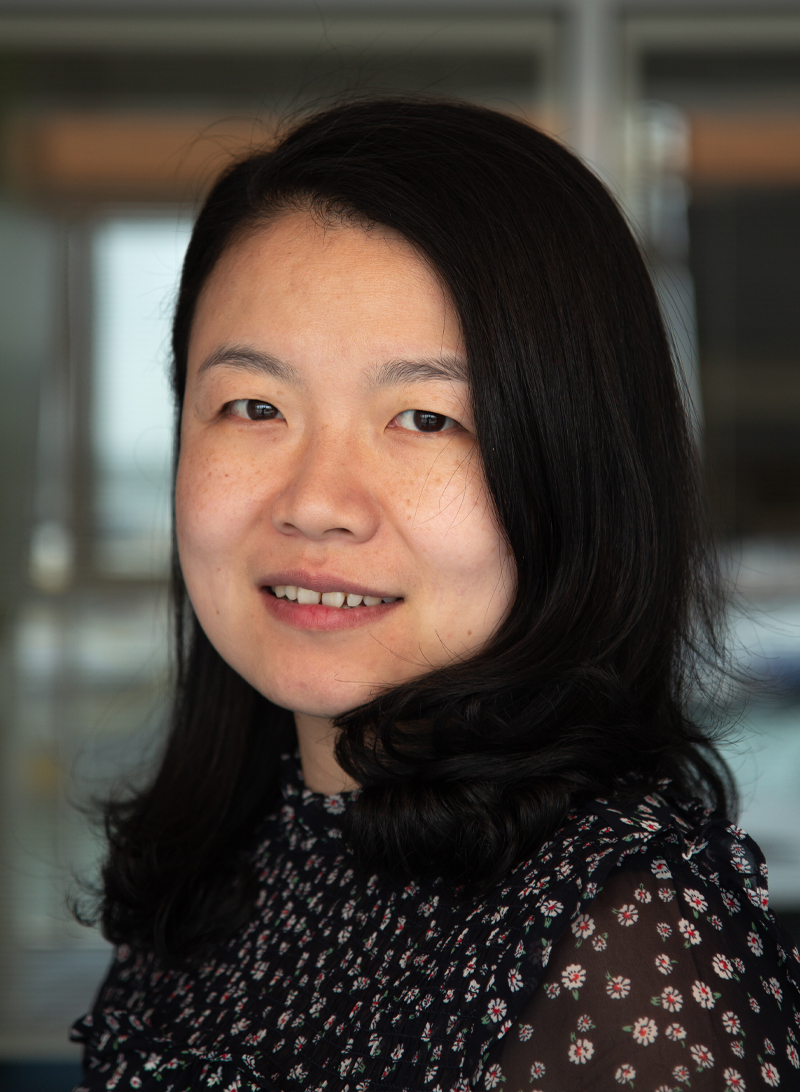
Dr. Yue Wang
Co-Investigator
About Yue
Dr. Yue Wang is a Royal Academy of Engineering (RAEng) Research Fellow at the University of York and co-investigator of the project.
Dr. Wang started her RAEng fellowship on “TOAST: Two-Dimensional Optical Amplification for Silicon Technologies” in October 2018, having previously been a PDRA at the University of York (2013-2018). She obtained her MSc degree (first class) in Photonics and Optoelectronic Devices run jointly by the University of St Andrews and Heriot-Watt University in Edinburgh. She completed her PhD in the School of Physics & Astronomy at the University of St Andrews (2008-2012). After that, she won an EPSRC Doctoral Prize to support her Research Fellow position at the Organic Semiconductor Centre, University of St Andrews (2012-2013).
Dr. Wang’s research focuses on novel nanomaterials for multifunctional devices such as biosensors, lasers, and microfluidic devices. She has published 35 papers in peer-reviewed journals, currently has an h-index of 21, and a total citation count of >1300 (Google Scholar). She is currently a representative member of the University of York Fellowship Community, the School of PET EDI committee and Women in Research Society, a member of UKRI Early Career Researcher Forum, STEMM Global Scientific Society, and OPTICA, and more recently a panel member of the Bell Burnell Graduate Scholarship Fund.

Saul Faust FRCPCH PhD FHEA OBE
Co-Investigator
About Saul
Saul Faust, is Professor and Hon consultant of Paediatric Immunology & Infectious Diseases at the University of Southampton and University Hospital Southampton NHS Foundation Trust. Saul is Director of the National Institute for Health Research (NIHR) Southampton Clinical Research Facility, Clinical Director of the NIHR Wessex Local Clinical Research Network, joint national clinical lead for the new NIHR Vaccine Innovation Network and a NIHR Senior Investigator.
Saul is a clinical researcher with projects bridging the clinical-laboratory interface, developing local and national collaborative clinical trials for paediatric and adult vaccines and antimicrobials. Saul is Deputy lead for the NIHR Southampton BRC Microbiology, Immunology and Infection Theme. Saul’s research includes early phase vaccine trials and collaborations to investigate new diagnostic tools and treatments for antimicrobial resistant infections, including clinical biofilm infections.
Saul is a member of the National Immunisation Schedule Evaluation Consortium (NISEC) and is UK Chief Investigator for the UK national COV-BOOST trial. Saul Chairs the RECOVERY trial paediatric working group, the UK Clinical Research Facilities Directors Committee, the University Hospital Association R&D Directors Group, and is a member of the National Institute for Health Research Health Technology Programme Commissioning Board.

Prof. Jon Heffernan
Co-Investigator
About Jon
Jon is a professor of semiconductor materials and devices and director of the National Epitaxy Facility in Sheffield. Prior to joining the University, he spent eighteen years in corporate research as director of Advanced Optoelectronics in Sharp Corporation where he was responsible for the development of a range of new technologies including lasers, LEDs, solar cells and nanomaterials and is well known for pioneering the development of MBE growth of nitride lasers. Jon has extensive experience of developing technologies from basic research through to technology transfer into mass production and has worked closely with development and production units in the UK, Japan, US, and China. He has led groups of scientists and engineers in collaborative programmes with leading universities in the UK and Europe and has published 58 papers and 39 patents. In his current role in the department of electronic and electrical engineering in Sheffield, he is responsible for leading the extensive epitaxy and device work of the National Centre as well as continuing his own research interests in new semiconductor devices and materials.

Prof. Matthew Mowlem
Co-Investigator
About Matthew
Professor Mowlem a Principal Investigator in the Ocean Technology and Engineering Group having stepped down as group head to set up a start up company (ClearWater Sensors Ltd) exploiting his and colleagues inventions of in situ chemical sensors using lab on chip technology. His research interests include the development of environmental measurement systems including the development of new chemical sensors and sensors for microbiology. He has a particular interest in the development of microsensors using either or both microfabrication and microfluidics. This has led to the development of a suite of sensors for nutrients, carbonate system parameters, trace metals, organic nutrients, pathogens, phytoplankton, hydrocarbons, pollutants and toxins.
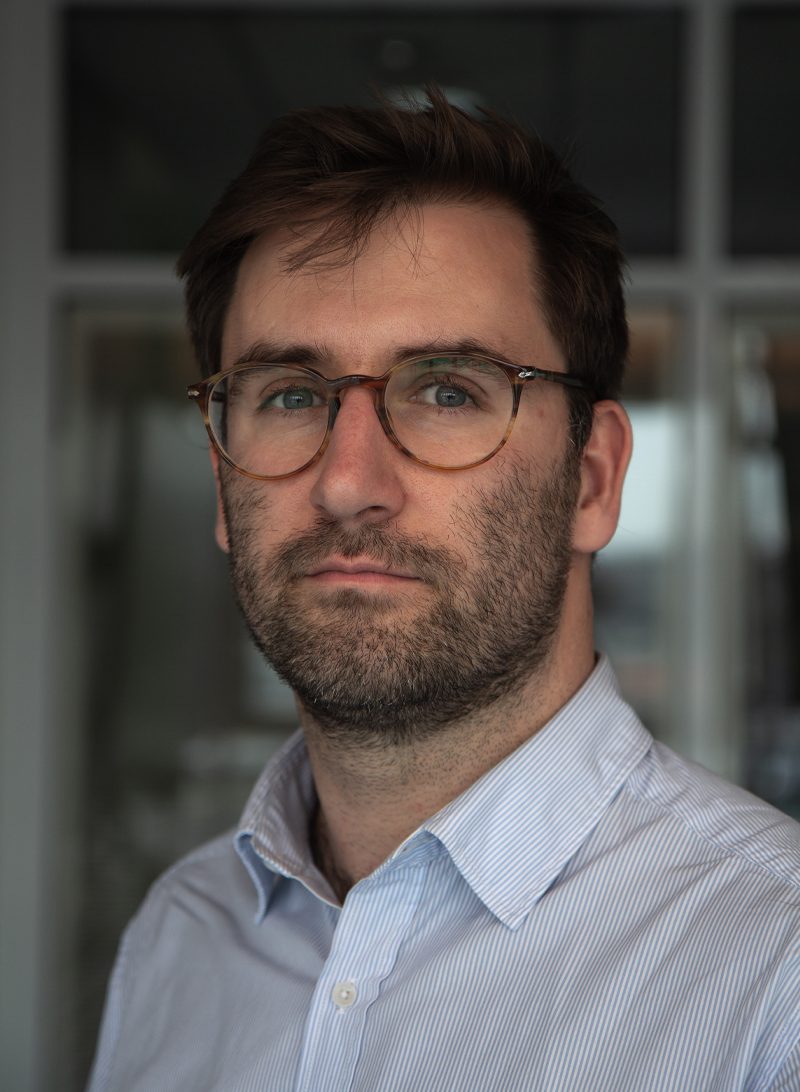
Dr. Milos Nedeljkovic
Co-Investigator
About Milos
Dr. Milos Nedeljkovic is a Principal Research Fellow at the University of Southampton, and a Co-Investigator of the grant.
His research has focussed on developing Silicon Photonic devices and chips for mid-infrared sensing, for use in environmental monitoring, chemical sensing, and medical diagnostics. He currently holds grants as PI from EPSRC (“Silicon photonic thermal photodetectors for mid-infrared sensing”), and previously held a prestigious Royal Academy of Engineering Research Fellowship (“On-chip systems for mid-infrared sensing”, 2017-2022). He has recently obtained funding from the UK Space Agency to explore applications of Silicon Photonics for satellite based optical communications (“Silicon photonic beam steering for free space optical communications”).
He has authored or co-authored more than 175 journal and conference papers since 2010 (h-index: 38), exploring a wide range of mid-infrared integrated photonic components in silicon and germanium material platforms (e.g. waveguides, spectrometers, modulators, photodetectors), and their use for integrated sensing systems.

Dr. Pin Dong
Postdoctoral Researcher
About Pin
Pin is currently a postdoctoral research associate in the Photonics Group at the University of York, having started in 2021. She obtained her doctoral degree (Dr. rer. nat. summa cum laude) in Pharmaceutical Technology from Freie Universität Berlin, Germany, in 2020. Prior to this, she accomplished her MSc degree in Pharmaceutics with first-class honors from Sun-Yat Sen University, China, in 2015. Pin’s research encompasses biosensors, microfluidics, and advanced drug delivery systems.
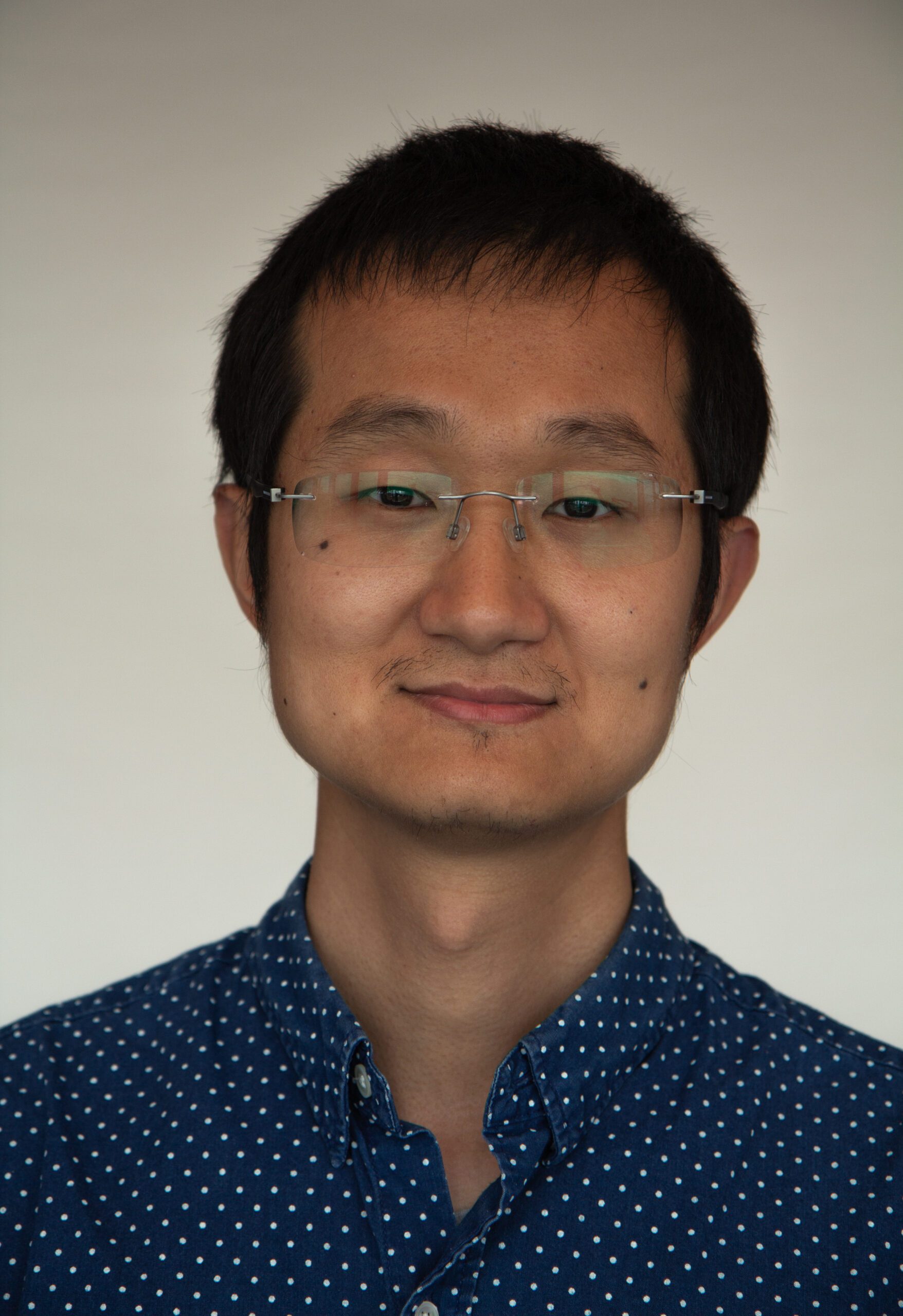
Dr. Kezheng Li
Postdoctoral Researcher
About Kezheng
Kezheng gained his Ph.D degree in Optics from Sun Yat-sen University in 2016, and bachelor’s degree in Optical information from Sun Yat-sen University in 2010. He is a full-time postdoctoral Research Associate at University of York since 2017. His research interest covers from Mid-infrared optics to visible and ultra-violet photonics; Optical sensing and Metasurface. He has more than 15 years of Nanofabrication experience.
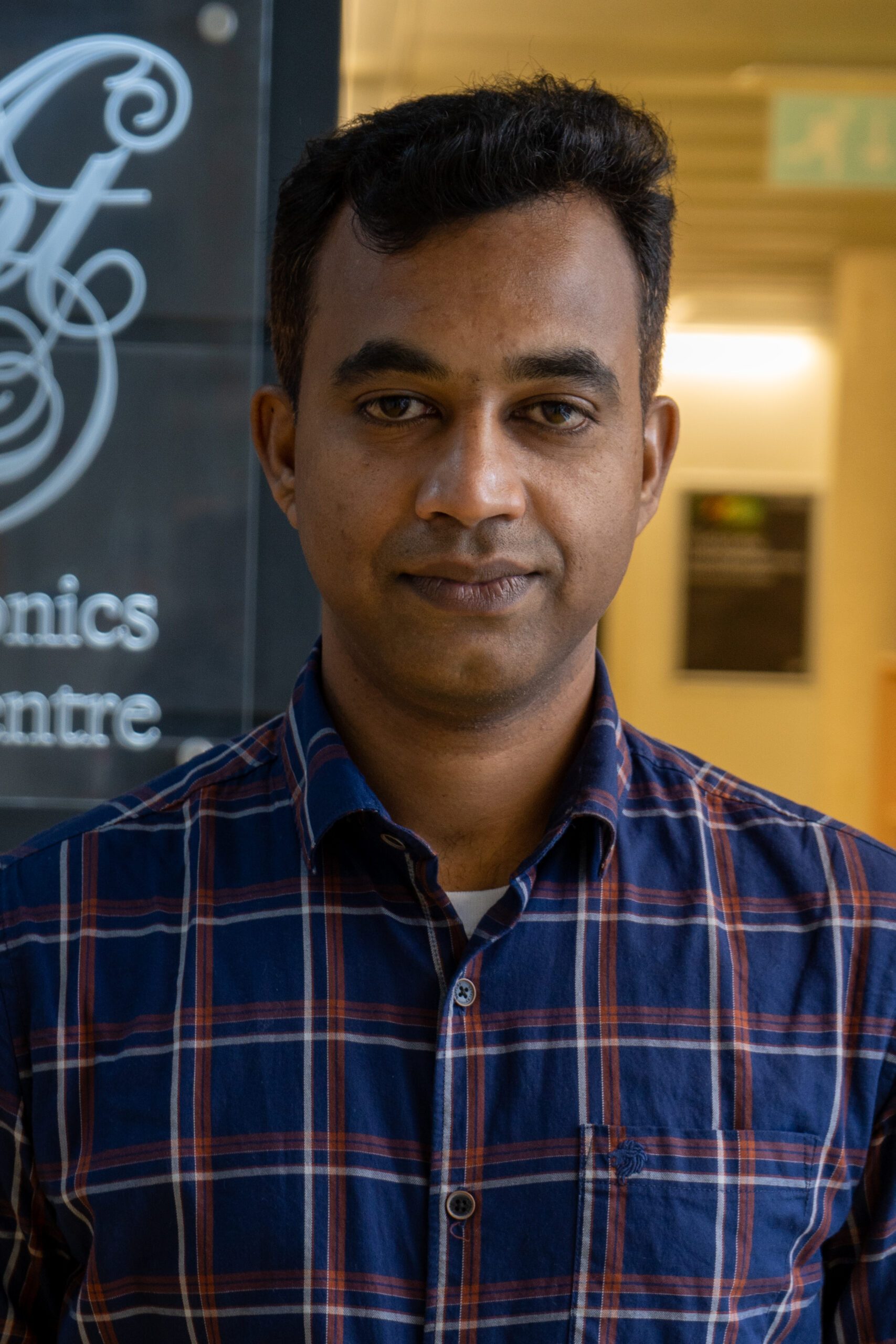
Aneesh Vincent Veluthandath
Postdoctoral Researcher
About Aneesh
Dr. Aneesh Vincent Veluthandath is a Research Fellow at the Optoelectronics Research centre at the University of Southampton.. He focuses on creating a low-cost, single-use photonic platform for rapid diagnosis, utilizing mid-infrared and Raman spectroscopy. His work also includes high-Q microcavities for low-threshold lasing and nonlinear signal conversion. He earned his PhD in Physics from the Indian Institute of Technology Madras. Before joining University of Southampton he worked at IIT Madras and IFW Institute in Dresden.

Dr. Sam Thompson
Associate Professor
About Sam
Sam Thompson is an Associate Professor in Chemical Biology and Medicinal Chemistry in the School of Chemistry and the Institute for Life Sciences (IfLS) at the University of Southampton (UoS). Prior to this, he received his MChem from the University of Oxford and PhD from the University of Cambridge, before holding Junior Research Fellowships in Oxford at Pembroke College and Lady Margaret Hall. His research programme focuses on molecular recognition: the rational design and synthesis of molecules to address problems at the chemistry/biology/medicine and chemistry/materials interfaces. The group have been especially active in designing molecules that mediate therapeutically relevant protein-protein interactions and intrinsically disordered proteins, including targets in cancer, type II diabetes and Parkinson’s. For the MISSION project, he is leading approaches for the selective recognition of ocean analytes and therapeutic drug sensing.

Dr. Panagiotis Galanis
Postdoctoral Researcher
About Panagiotis
My name is Panagiotis Galanis and I am a Research Engineer at the National Oceanography Centre in Southampton. With over 4 years of experience in the fields of photonics and microfluidics, I am using my knowledge and skills to design optical systems and develop flexible fluidic platforms for environmental sensing applications. I have a PhD from the Optoelectronics Research Centre at the University of Southampton and my work was focused on the use of laser-based systems for biomedical applications. I have working experience gained through a postdoctoral fellow position at the University of Southampton where I was responsible for the design, fabrication and optimization of paper-based microfluidic devices for the detection of analytes in biological samples. Additionally, I have worked as a research assistant in the research institute of NCSR DEMOKRITOS for the fabrication of optoelectronic devices such as organic photovoltaics and organic LEDs. During my academic career, I have participated in six international conferences with posters and oral presentations, and I also have three first author and six co-author publications in highly esteemed journals and conference proceedings.

Dr. Dave Rowe
Postdoctoral Researcher
About Dave
Dr David J Rowe is Senior Research Fellow in Silicon Photonics at the ORC and Visiting Scientist at the NIHR Southampton Clinical Research Facility at University Hospital Southampton. His research interests are centred on mid-infrared spectroscopy and its clinical applications. Technologically, he is focused on miniaturising devices and microfluidic integration for low-cost sensing. Clinically, he is interested in early cancer detection, drug monitoring and minimally invasive care. Dave has published over 30 journal and conference papers. He has received various awards for academic excellence, IET and Cardiff University scholarships, two travel grants and two awards for best conference presentation. He has been awarded £110k of research funding as PI and £51k as Co-I.

Tianhu Hu
PhD Student
About Tianhu
Tianhui is a second-year PhD student at Optoelectronics Research Centre (ORC), University of Southampton, supervised by Prof. Goran Mashanovich and Dr. Milos Nedeljkovic. She received her MSc Optical Fibre & Photonic Engineering from University of Southampton in 2022 and joined the MISSION team in 2023. She is working on Mid-infrared waveguide integrated photodetector.
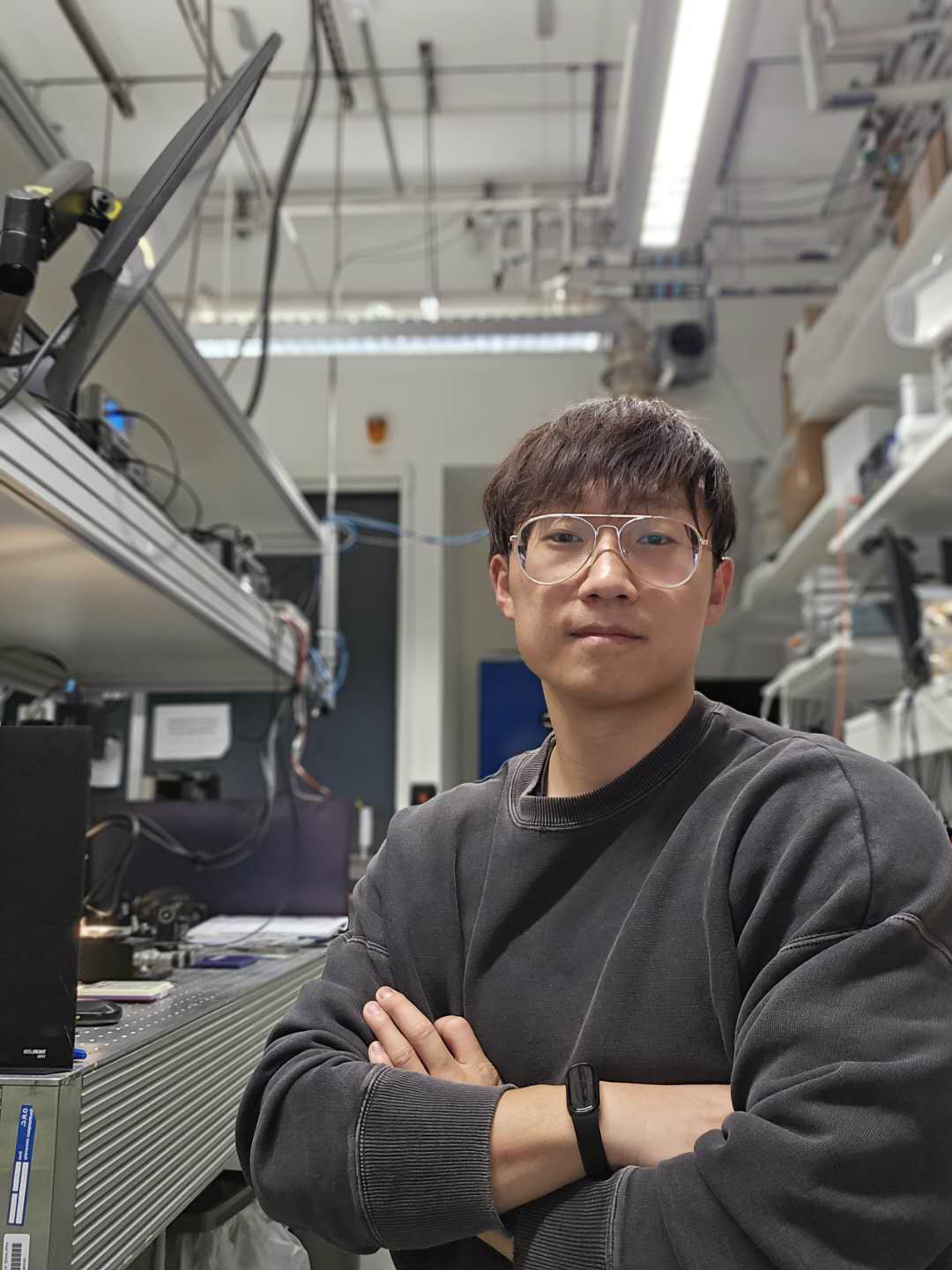
Dr. Siyu Chen
Postdoctoral Researcher
About Siyu
Siyu is a Senior Research Associate in Silicon Photonics at the Optoelectronics Research Centre (ORC). He received both a Master of Engineering (MEng) and a PhD from the University of Southampton, where his research focused on subwavelength grating, metasurface technologies, and mid-infrared (MIR) silicon photonic design. Throughout his academic journey, Siyu has made significant contributions to the development of advanced photonic devices, exploring innovative solutions for wave manipulation and optical signal processing. His expertise lies in leveraging silicon photonics for applications in sensing, Lidar, telecommunications, and beyond.

Daniel Adeyemi
PhD Student
About Daniel
Daniel Adeyemi completed his bachelor’s and master’s degrees at Southampton University in 2021 and 2022 respectively. He is a current PhD candidate at Southampton University, his primary focus is the integration of devices in the mid-infrared wavelength range. Currently, he is working on integrating an interband cascade photodetector onto an SOI substrate with a look towards achieving on-chip sensing.

Dr. Dolnapa Yamano
Postdoctoral Researcher
About Dolnapa
Dr Dolnapa Yamano, a PhD graduate in organic chemistry from Chiang Mai University, completed her degree in April 2023 under the Royal Golden Jubilee (RGJ) PhD scholarship program, publishing 11 papers in chemistry. In 2022, she gained research experience at the University of Bath, UK, where her focus was on synthesizing 1,3,4 oxadiaxoles for fluorescence sensing applications. Joining the Optoelectronics Research Centre at the University of Southampton in September 2023 as a synthetic organic chemist, her primary focus is on synthesising cryptophanes and developing them as high-performance sensing platforms to detect small molecule ocean gases such as methane (CH4), carbon dioxide (CO2), and nitrous oxide (N2O).